
There's a joy that comes with whipping up homemade bread, and this No-Oven Turkish Bread is my latest discovery that has me swooning! The thought of freshly baked bread, golden and warm, seems daunting without an oven, but trust me, this recipe proves you can create bakery-worthy bread right on your stovetop.
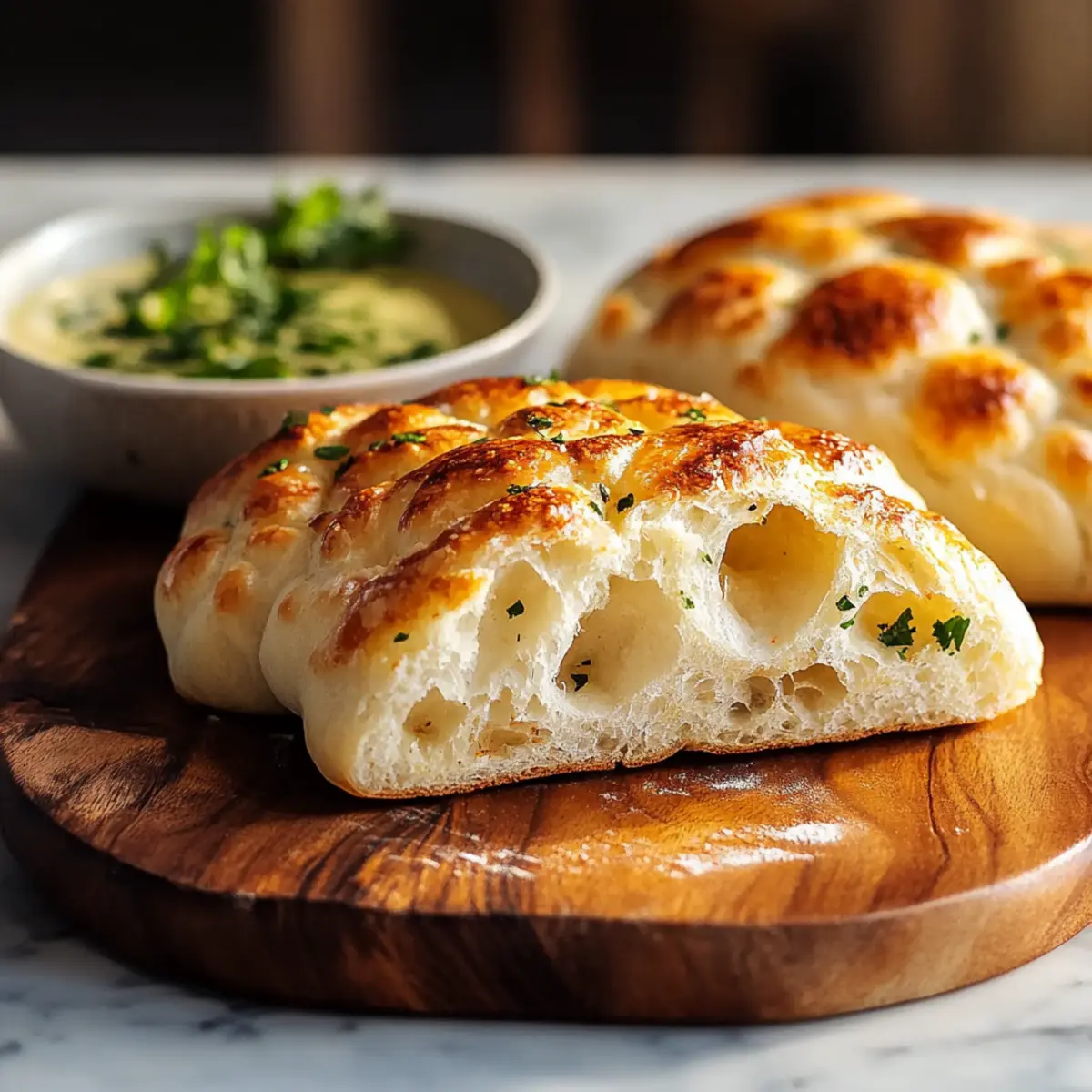
Every time I make this, the delightful sizzle of dough meeting the hot skillet transports me to bustling markets in Turkey where bread is a daily ritual. It’s not just the taste that captivates—it’s the ease and speed of this recipe that makes it a weekday favorite. In just 30 minutes, you’ll transform simple ingredients like flour and yeast into a fluffy, delicious bread that's perfect for dipping in olive oil or pairing with your favorite meal.
So, whether you’re looking for a fun weekend project or a quick side to elevate an ordinary dinner, this No-Oven Turkish Bread will surely impress. Ready to give it a try? Let’s get cooking!
Why You'll Love This No-Oven Turkish Bread
- This No-Oven Turkish Bread is incredibly easy to make, requiring just 30 minutes from start to finish, making it perfect for busy weekdays.
- The flavor is outstanding, with a delightful, fluffy texture that pairs beautifully with various dishes.
- Its versatility allows you to enjoy it as a side, sandwich base, or even as a fun appetizer with dips.
- The visual appeal of golden-brown crusts will impress anyone at your table, making it a true crowd-pleaser that everyone will rave about.
No-Oven Turkish Bread Ingredients
For the Dough
• 3 cups all-purpose flour – your go-to flour for achieving that perfect, fluffy texture.
• 1 tablespoon active dry yeast – essential for a rise that makes this bread light and airy.
• 1 cup warm water – helps activate the yeast, bringing your bread to life!
• 1 tablespoon sugar – a little sweetness to boost yeast activity for a fluffier bread.
• 1 teaspoon salt – enhances flavor while controlling the yeast's fermentation.
• 2 tablespoon olive oil – for richness and that delicious, golden crust.
• 0.25 cup plain yogurt (optional) – adds moisture and subtle tang to your No-Oven Turkish Bread.
This simple list of ingredients ensures you can whip up delightful No-Oven Turkish Bread in no time!

How to Make No-Oven Turkish Bread
-
Activate the yeast: In a bowl, combine warm water and sugar, then sprinkle the yeast on top. Let it sit for about 5-10 minutes until it becomes frothy, indicating the yeast is alive and ready to work its magic.
-
Mix the dough: In a large mixing bowl, combine the all-purpose flour, salt, and olive oil. Pour in the activated yeast mixture and stir until it forms a rough dough.
-
Knead the dough: Lightly flour a surface and transfer the dough. Knead it with your hands for about 8-10 minutes until smooth and elastic. It should spring back when poked.
-
Rise the dough: Place the kneaded dough into a lightly oiled bowl, cover it with a damp cloth, and let it rise in a warm environment for about 20-30 minutes, or until it has doubled in size.
-
Shape and cook the bread: Once the dough has risen, punch it down gently. Divide it into six equal portions, then shape each piece into a flat circle. Heat a skillet over medium heat and cook each bread for 3-4 minutes on each side until golden brown and cooked through.
Optional: Serve with olive oil and herbs for dipping!
Exact quantities are listed in the recipe card below.
Make Ahead Options
These No-Oven Turkish Bread are perfect for meal prep enthusiasts! You can prepare the dough up to 24 hours in advance by mixing your ingredients and letting it rise. Simply wrap the risen dough tightly in plastic wrap and refrigerate it to maintain its flavor and texture. When you're ready to serve, take it out and let it come to room temperature for about 30 minutes before shaping and cooking. Alternatively, you can shape the dough into flat circles, cook them briefly on each side, and then freeze for up to 3 days. Just reheat them in a skillet for that fresh-baked taste, making your busy weeknight dinners stress-free!
How to Store and Freeze No-Oven Turkish Bread
Room Temperature: Keep your No-Oven Turkish Bread wrapped in a clean kitchen towel or in a breadbox for up to 2 days to maintain its freshness.
Fridge: If you want to extend the shelf life, store the bread in an airtight container in the refrigerator for up to 5 days. Just be aware that refrigeration may slightly change the texture.
Freezer: For longer storage, wrap each piece well in plastic wrap and place them in a freezer bag. The bread can be frozen for up to 3 months without losing flavor or quality.
Reheating: To enjoy the bread after storage, simply reheat it in a skillet for 1-2 minutes on each side or microwave for about 15-20 seconds. Enjoy that warm, fresh-baked feeling again!
No-Oven Turkish Bread Variations
Feel free to explore these delightful twists and swaps to create your own unique version of this irresistible bread!
-
Whole Wheat: Substitute half of the all-purpose flour with whole wheat for a nuttier flavor and added nutrition. It enhances the bread's aroma and depth, making every bite a joy.
-
Herb-Infused: Add fresh or dried herbs like rosemary or thyme into the dough for aromatic flavor. This variation brings a garden freshness that makes the bread an even more delectable accompaniment.
-
Spicy Kick: Mix in a teaspoon of crushed red pepper flakes for a spicy twist. The subtle heat complements the slightly sweet dough, making it a fun pairing for hearty dips.
-
Garlic Lover's Delight: Incorporate minced garlic or garlic powder into the dough for a savory touch. This richness elevates the bread’s profile and pairs wonderfully with olive oil for dipping.
-
Cheesy Bliss: Fold in shredded cheese, such as feta or mozzarella, for a gooey center. The melted cheese will surprise and delight everyone at the table, turning simple bread into a cheesy treat.
-
Sweet Addition: Add a tablespoon of honey or maple syrup to the dough for a hint of sweetness. This will create a versatile bread that can accompany both savory and sweet dishes beautifully, perfect for breakfast or brunch.
-
Zesty Citrus: Incorporate zest from a lemon or orange into the dough; it brightens flavors and adds a refreshing note that’s especially delightful when served with savory meals.
-
Vegan Version: Replace yogurt with a plant-based yogurt and olive oil with avocado oil for a completely vegan option. This ensures that everyone can enjoy the warm, fluffy goodness without dairy!
What to Serve with No-Oven Turkish Bread?
The perfect companion for your homemade bread can elevate any meal into a delightful feast.
-
Herbed Olive Oil: A simple mix of olive oil with fresh herbs makes a fragrant dip that enhances your bread's flavors. This luscious pairing invites you to savor every bite, perfect for sharing with friends.
-
Fresh Hummus: Creamy and packed with flavor, hummus complements the fluffy texture of the bread beautifully. Consider adding roasted garlic or spices to your hummus for a personalized twist.
-
Sautéed Garlic Spinach: The earthiness of sautéed spinach with garlic creates a beautiful contrast to the bread's warmth. The richness of the garlic enhances the overall dining experience, making it feel truly indulgent.
-
Tomato and Cucumber Salad: Bright and refreshing, this salad offers a crisp, cool contrast to the warm, soft bread. Toss in some feta cheese and a drizzle of lemon for a zesty finish!
-
Chickpea Stew: A hearty chickpea stew full of spices and vegetables serves as a robust accompaniment, making each bite of bread a comforting experience. The wholesome flavors will leave you feeling satisfied and content.
-
Turkish Coffee: After indulging in your meal, a cup of strong Turkish coffee can provide a delightful end. Its bold flavor will perfectly balance the freshness of your No-Oven Turkish Bread.
Chef's Helpful Tips
- For the best No-Oven Turkish Bread, ensure your water is warm but not too hot, as temperatures above 120°F can kill the yeast.
- When kneading the dough, make sure to use a lightly floured surface to prevent sticking, and always knead until the dough becomes smooth and elastic.
- To ensure a good rise, find a warm spot in your kitchen, perhaps near a preheating oven, and let the dough rise covered to keep it moist.
- Lastly, when cooking the bread in the skillet, keep an eye on the heat; too high can burn the outside while leaving the inside raw, so medium heat is ideal for even cooking.
No-Oven Turkish Bread Recipe FAQs
What is the best way to select flour for this No-Oven Turkish Bread?
Absolutely! For the best results, opt for all-purpose flour that has a protein content between 10-12%. This will give your bread a lovely structure and chewiness. Look for flour with a smooth texture and no lumps—if the bag is overly dusty or has dark spots, it may not be fresh.
How should I store leftover No-Oven Turkish Bread?
Very! To maintain freshness, wrap your No-Oven Turkish Bread in a clean kitchen towel or place it in a breadbox, which can keep it good for up to 2 days. If you'd like to extend its life, transfer it to an airtight container and store it in the fridge for up to 5 days. Just be aware that refrigeration can make the bread a bit denser.
Can I freeze No-Oven Turkish Bread, and if so, how?
Sure! It’s super simple—unwrap each piece and tightly wrap them in plastic wrap, then place them in a freezer bag, ensuring you remove as much air as possible. This way, your bread will stay fresh for up to 3 months. When you're ready to enjoy it, thaw it at room temperature or pop it in the microwave for about 15-20 seconds to warm it up!
What should I do if my dough doesn't rise properly?
Oh no! Don’t worry, there are ways to troubleshoot this. First, ensure that your yeast is fresh—check the expiration date on the package. If the yeast isn’t bubbling after being mixed with warm water and sugar, it might be dead. If your dough hasn’t doubled in size after 30 minutes, try placing it in a warmer spot, like near a preheating oven. If that doesn’t work, it’s best to start with a fresh batch of yeast.
Are there any dietary considerations for making No-Oven Turkish Bread?
Definitely! If you have gluten sensitivities, consider using gluten-free all-purpose flour that includes a binding agent, like xanthan gum, to help the bread maintain its structure. For an egg-free option, this recipe is naturally egg-free and can be enjoyed by many with dietary restrictions. Always check your other topping choices to ensure they fit your dietary needs!
No-Oven Turkish Bread
Ingredients
Equipment
Method
- In a bowl, combine warm water and sugar, then sprinkle the yeast on top. Let it sit for about 5-10 minutes until it becomes frothy.
- In a large mixing bowl, combine the all-purpose flour, salt, and olive oil. Pour in the activated yeast mixture and stir until it forms a rough dough.
- Lightly flour a surface and transfer the dough. Knead it with your hands for about 8-10 minutes until smooth and elastic.
- Place the kneaded dough into a lightly oiled bowl, cover it with a damp cloth, and let it rise in a warm environment for about 20-30 minutes, or until it has doubled in size.
- Once the dough has risen, punch it down gently, divide it into six equal portions, then shape each piece into a flat circle.
- Heat a skillet over medium heat and cook each bread for 3-4 minutes on each side until golden brown and cooked through.




Leave a Reply