
There’s something deeply satisfying about crafting your own Homemade Pasta. The moment that flour hits the countertop, transforming into a lovely dough, feels like pure magic. It takes me back to lazy Sunday afternoons in my mother’s kitchen, where we would spend hours, laughter echoing off the walls as we rolled out dough and shaped it into comforting noodles. This recipe is not only a delightful escape from the monotony of takeout but also a heartwarming reminder of the joy found in homemade meals.

With just four simple ingredients—flour, eggs, olive oil, and salt—you'll create fresh pasta that elevates any sauce or dish. Whether you're a seasoned chef looking to impress or a home cook looking for a flavorful diversion, making pasta from scratch invites creativity into your kitchen. And don’t worry—it’s easier than you might think! In under an hour, you’ll have a plateful of pasta that tastes like love. Let’s roll up our sleeves and dive into this delightful culinary journey together!
Why You'll Love This Homemade Pasta
- This Homemade Pasta recipe is a breeze to make, requiring just a handful of ingredients and minimal prep time, so you'll be enjoying delicious pasta in no time.
- The flavor of freshly made pasta is unmatched, giving your dishes a rich and satisfying quality that store-bought options simply can't compete with.
- It's incredibly versatile, allowing you to pair your pasta with a variety of sauces, toppings, or even use it in casseroles or salads.
- The visual appeal of your handmade noodles will impress family and friends, making any meal feel special and homemade, ensuring that everyone will be asking for seconds.
Homemade Pasta Ingredients
For the Dough
• All-purpose flour – 2 cups (plus extra for dusting); perfect for a smooth and elastic texture.
• Large eggs – 3 (room temperature); they add richness and help bind the pasta.
• Olive oil – 1 tbsp; enhances flavor and makes the dough more pliable.
• Salt – 0.5 tsp; brings out the natural flavors for a delicious Homemade Pasta.
For Cooking
• Salted water – plenty for boiling; a must for seasoning the pasta during cooking.
Enjoy creating your own batch of delightful Homemade Pasta that will bring joy to your table!

How to Make Homemade Pasta
-
Arrange flour – Begin by placing the all-purpose flour on a clean countertop, creating a mound. Form a well in the center; it should look like a little flour volcano, inviting and ready for the next ingredients.
-
Add ingredients – Crack the three large eggs into the well along with the olive oil and salt. Using a fork, gently break the yolks and start to mix the flour into the egg mixture, gradually incorporating the flour from the edges.
-
Mix dough – Continue mixing until the ingredients start to come together. Once the mixture becomes shaggy and somewhat sticky, transfer it onto a floured surface.
-
Knead dough – Knead the dough for 8–10 minutes, applying a bit of pressure until it transforms into a smooth, elastic ball. It should be soft and pliable but not sticky!
-
Rest dough – Wrap the kneaded dough in plastic wrap or a clean kitchen towel, allowing it to rest for 30 minutes at room temperature. This step is crucial for a tender pasta.
-
Roll out dough – After resting, divide the dough into manageable portions. Roll each piece thinly using a rolling pin until it reaches your desired thickness; it should be nearly translucent.
-
Cut noodles – Fold the rolled dough loosely and, using a sharp knife, slice it into your preferred noodle width. The fresh noodles should be light and delicate!
-
Cook pasta – Bring a large pot of salted water to a boil. Gently add the pasta to the boiling water and cook for 2–4 minutes or until tender and floating. Fresh pasta cooks quickly, so don’t walk away!
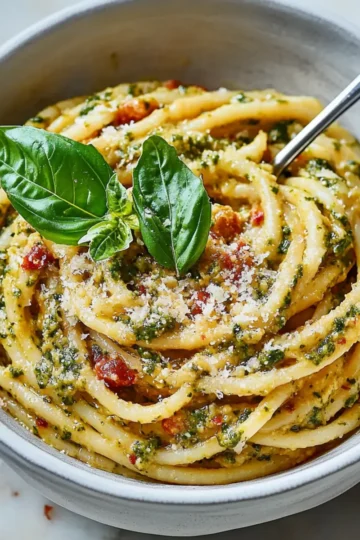
Optional: Serve with fresh basil and Parmigiano-Reggiano for an extra flavor boost.
Exact quantities are listed in the recipe card below.
How to Store and Freeze Homemade Pasta
Room Temperature: Store any unused Homemade Pasta in an airtight container or wrapped tightly in plastic wrap for up to 2 hours. Fresh pasta should be cooked soon after making for the best taste.
Fridge: You can refrigerate uncooked pasta for up to 3 days by placing it in a well-sealed container. Make sure to dust the noodles with a bit of flour to prevent sticking.
Freezer: For longer storage, freeze your Homemade Pasta by laying it out on a baking sheet in a single layer. Once frozen solid, transfer it to a freezer bag and store for up to 3 months.
Reheating: When ready to use frozen pasta, cook it directly from frozen in boiling salted water for an additional minute or two, keeping an eye on the texture!
What to Serve with Homemade Pasta?
Elevate your dining experience with perfect pairings that truly complement your freshly crafted pasta.
- Classic Marinara Sauce: This tangy, herb-infused sauce enhances the rich flavor of your pasta while adding a comforting Italian touch.
- Creamy Alfredo: A luscious blend of cream, butter, and cheese, this sauce brings a velvety texture and indulgent taste, making every bite heavenly.
A refreshing salad can be the ideal counterpart.
- Caprese Salad: Fresh tomatoes, mozzarella, and basil drizzled with balsamic glaze create a bright contrast to the warm, tender pasta.
- Garlic Bread: Crunchy and buttery, garlic bread is perfect for soaking up every last drop of sauce, rounding out your meal in pure bliss.
Don't forget a delightful sip to accompany your feast.
- Italian Red Wine: A bold Chianti or robust Sangiovese pairs beautifully with the rich flavors of the pasta, enhancing your dining experience.
- Lemon Sorbet: A light and zesty dessert offers a refreshing end to your meal, cleansing the palate and leaving you satisfied yet wanting more.
Each of these suggestions will create a memorable and delicious feast that complements the goodness of your Homemade Pasta!
Make Ahead Options
These Homemade Pasta preparations are ideal for busy weeknights! You can make the dough up to 24 hours in advance. Simply follow the first five steps of the recipe, then wrap the kneaded dough tightly in plastic wrap, and refrigerate it to stay fresh and maintain texture. When you're ready to cook, take the dough out about 30 minutes beforehand to allow it to come to room temperature. Roll, cut, and cook the pasta as usual—this way, you’ll have delicious, fresh noodles ready to go in no time. By prepping ahead, you’ll save valuable minutes without sacrificing quality or flavor in your homemade meals!
Homemade Pasta Variations
Feel free to make this recipe your own with these delightful twists that will elevate your homemade pasta experience.
-
Whole Wheat: Swap out all-purpose flour for whole wheat flour for a nuttier flavor and added fiber. This adds a healthy twist while keeping the essence of homemade pasta.
-
Gluten-Free: Use a gluten-free flour blend to cater to dietary preferences. Just ensure it’s suitable for pasta-making to keep your noodles deliciously tender.
-
Spinach-Infused: Blend fresh spinach with the eggs for vibrant green pasta. Not only does it look stunning, but it adds nutrients and a subtle earthy flavor.
-
Herbed Delight: Mix in dried herbs like oregano or basil into the flour for a flavor-packed pasta. This twist creates a beautifully aromatic base to complement any sauce.
-
Egg-Free: Substitute eggs with aquafaba (chickpea water) or a mix of water and olive oil for an egg-free option. The final texture will be slightly different, but still delightful!
-
Cheesy Pasta: Incorporate grated Parmesan into the dough for a rich, cheesy flavor. This adds a depth to the pasta that perfectly complements simple sauces.
-
Spicy Kick: Mix in crushed red pepper flakes for a fiery kick. This subtle heat makes each bite exciting and brings a new dimension to your dishes.
-
Pumpkin Pasta: Fold pureed pumpkin into the dough for a seasonal twist. The sweetness of the pumpkin enhances flavors beautifully, making it perfect for fall dishes.
Chef's Helpful Tips
- When making Homemade Pasta, always use room temperature eggs to ensure they blend smoothly into the flour.
- Common mistakes include over-kneading the dough, which can lead to tough pasta; stop once it is smooth and elastic.
- To achieve a perfect thickness, roll the dough until it appears nearly translucent, as this will create a light and delicate texture.
- Remember to keep an eye on the cooking time, as fresh pasta typically cooks in just 2 to 4 minutes, so be ready to remove it as soon as it floats.
Homemade Pasta Recipe FAQs
How do I choose the best flour for Homemade Pasta?
Choosing the right flour is crucial for perfect pasta. I recommend using all-purpose flour for its excellent balance of protein and gluten. You can also opt for "00" flour, commonly used in Italy for an even silkier texture, but all-purpose flour will do just fine for beginners!
How should I store leftover Homemade Pasta?
If you have leftover Homemade Pasta, you should store it in an airtight container or wrap it tightly with plastic wrap. It can stay fresh in the fridge for up to 3 days. Just dust the noodles lightly with flour to avoid sticking together.
Can I freeze Homemade Pasta?
Absolutely! To freeze your Homemade Pasta, lay the freshly cut noodles in a single layer on a baking sheet and place them in the freezer until solid—this usually takes about 30 minutes. Once frozen, transfer them to a freezer bag and store for up to 3 months. When you’re ready to use them, cook directly from frozen, adding an extra minute or two to the cooking time.
What should I do if my pasta dough is too sticky?
If your dough feels overly sticky while kneading, don’t panic! Simply dust your work surface and your hands with a bit more flour, gradually incorporating it into the dough until you achieve a smooth and elastic texture. Remember, a little flour goes a long way!
Can I use homemade pasta if I have a gluten allergy?
If you're looking for gluten-free options, you can make pasta using gluten-free flour blends available at most grocery stores. Just be aware that the texture might differ slightly, so I recommend following specific gluten-free pasta recipes for the best results.
What if my pasta is too thick after rolling?
If you find that your pasta is too thick, roll it out again! To get that delightful thinness, give each portion a good roll with your rolling pin. Aim for it to be nearly transparent; it might take a bit of practice, but the results will be worth it!
Homemade Pasta
Ingredients
Equipment
Method
- Begin by placing the all-purpose flour on a clean countertop, creating a mound. Form a well in the center.
- Crack the three large eggs into the well along with the olive oil and salt. Mix the ingredients with a fork.
- Continue mixing until the mixture becomes shaggy. Transfer it onto a floured surface.
- Knead the dough for 8-10 minutes until it transforms into a smooth, elastic ball.
- Wrap the kneaded dough in plastic wrap or a clean kitchen towel and let it rest for 30 minutes.
- Divide the dough into portions and roll each piece thinly using a rolling pin.
- Fold the rolled dough loosely and slice it into your preferred noodle width.
- Bring a large pot of salted water to a boil. Cook the pasta for 2-4 minutes until tender.

Leave a Reply